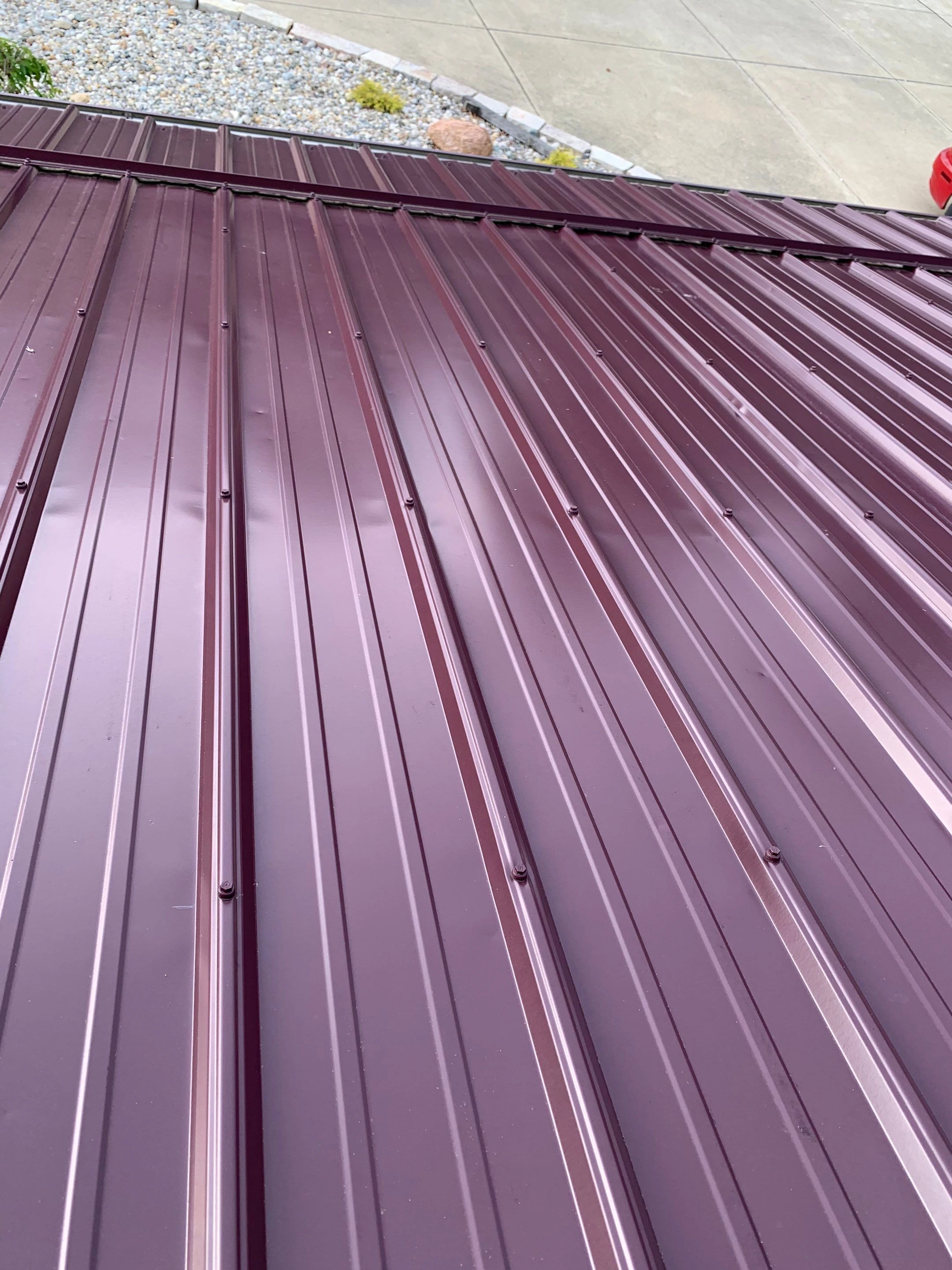
What industrial roofing involves at scale
Industrial roofing covers the large, often complex roofs of plants, warehouses, distribution centers, and manufacturing facilities, and the defining feature is scale. A Gosport facility owner managing such a roof faces considerations that simply do not apply to smaller commercial buildings, and understanding them is the starting point for handling the roof well rather than reacting to problems after they appear.
Large open expanses
An industrial roof typically covers a vast open area, often tens or hundreds of thousands of square feet, which changes how every aspect of the roof is handled. The size affects the materials chosen, the drainage required, the way work is sequenced, and the cost of any project. For a facility, the sheer area of the roof means that small per square foot differences in materials or labor add up to large sums across the whole roof. It also means any work is a significant undertaking that needs careful planning and a crew equipped to cover large areas efficiently, since the scale that defines an industrial roof is present in every decision about it, from the initial system choice to routine maintenance years later.
Heavy rooftop equipment
Industrial roofs commonly carry substantial rooftop equipment, large HVAC units, exhaust systems, process equipment, and the associated curbs, penetrations, and walkways. Each piece is a point the roof must seal around, and the equipment concentrates foot traffic and stress in the areas surrounding it. For a Owen County facility, the rooftop equipment is a major factor in the roof's design and ongoing maintenance, since the numerous penetrations and the traffic around the units are among the most common sources of problems. Keeping all those points watertight is a meaningful part of caring for the roof, and the more equipment a roof carries, the more attention those details demand over the years, which is why equipment heavy roofs benefit from regular, focused inspection of their penetrations.
Demanding drainage
Moving water off a large industrial roof is a significant task, requiring drainage sized and designed for the area and the volume of water it must handle during heavy rain. Inadequate drainage on a large roof leads to extensive ponding and the steady damage standing water causes. For a Gosport facility, the drainage is a critical part of the industrial roof, since a large flat or low slope roof depends entirely on its drains, scuppers, and slope to shed water. Drainage problems at scale can affect large portions of the roof at once, which is why adequate capacity and diligent maintenance of the drainage are essential to protecting a roof of this size from the harm that ponding brings to seams, seals, and the membrane itself.
Operations that cannot stop
Perhaps the biggest difference at industrial scale is that the operations beneath the roof, production, storage, distribution, usually cannot pause for roof work, so the work must be done without disrupting them. This shapes how projects are planned and executed from the start. For a facility, keeping operations running during roof work is a central concern, since downtime is costly and sometimes not an option at all. That reality is why industrial roofing requires planning the work to protect the operations below, often phasing it across sections and scheduling around the facility's needs so the roof gets done without the business grinding to a halt or the contents below being put at risk.
Specialized crews and equipment
Industrial roofs require crews and equipment suited to large scale work, the manpower to cover big areas, the equipment to move materials onto a large roof, and the experience to handle the systems and details industrial buildings use. A residential or small commercial approach does not transfer to industrial scale. For a Owen County facility, working with a contractor equipped for industrial roofing matters, since the scale, the systems, and the coordination involved exceed what smaller jobs require. The right crew brings the capacity and know how to handle a large roof efficiently and safely, which is part of why industrial roofing is a distinct specialty rather than simply a bigger version of ordinary commercial work.
High stakes for the facility
A large industrial roof shelters significant value, the building, the equipment inside, the inventory, and the operations themselves, so a roof problem can carry consequences far beyond the roof. The structure must also support the roof system and the equipment on it. For a Gosport facility, the stakes raise the importance of getting the roof right, since a failure can disrupt operations and damage valuable contents, which is why an industrial roof deserves to be treated as the critical asset it is rather than an afterthought, with the care, planning, and ongoing maintenance its scale and importance warrant over the long life of the facility.
Scale changes everything
Industrial roofing is defined by the scale and complexity of large facility roofs, large expanses, heavy equipment, demanding drainage, operations that cannot stop, specialized crews, and high stakes, all of which make it a different challenge from typical commercial roofing. For a Owen County facility owner, understanding these factors is the foundation for managing an industrial roof well, since the right approach accounts for the scale rather than treating the roof like a larger version of a small one.
The conditions a facility's roof faces, the weather, the rooftop activity, and the demands of the operation below, all shape how the roof ages and what it needs over time. A roof in a demanding setting requires more attention than one in mild conditions, which is why an approach matched to the actual conditions serves a large facility better than a generic schedule. Gosport Metal Roofing accounts for the real conditions of your Gosport facility when assessing and maintaining your roof, so the care fits the building.
Get your large facility roof assessed
Gosport Metal Roofing handles the scale and complexity of Gosport industrial roofs, from large expanses to heavy equipment and demanding drainage. Call {phone} to get your large facility roof assessed by a crew equipped for industrial work. Managing an industrial roof well is what protects a critical asset and the operations it shelters.